
Teaching in the Age of Tech & AI: Supporting Young People’s Digital Lives
LATMH for Educators
49:06
With the release of updated government guidelines for Relationships, Sex and Health Education (RSHE), schools are being asked to address the realities of young people’s online lives in more depth than ever before. Technology and AI now influence not only what pupils see, but also how they think, feel, behave and connect with one another.
This session brings together expert insight and practical strategies to help educators understand and respond to the challenges their students are facing. We will explore:
- The cognitive, emotional and social impacts of tech and AI on children and teens and how schools can continually adapt.
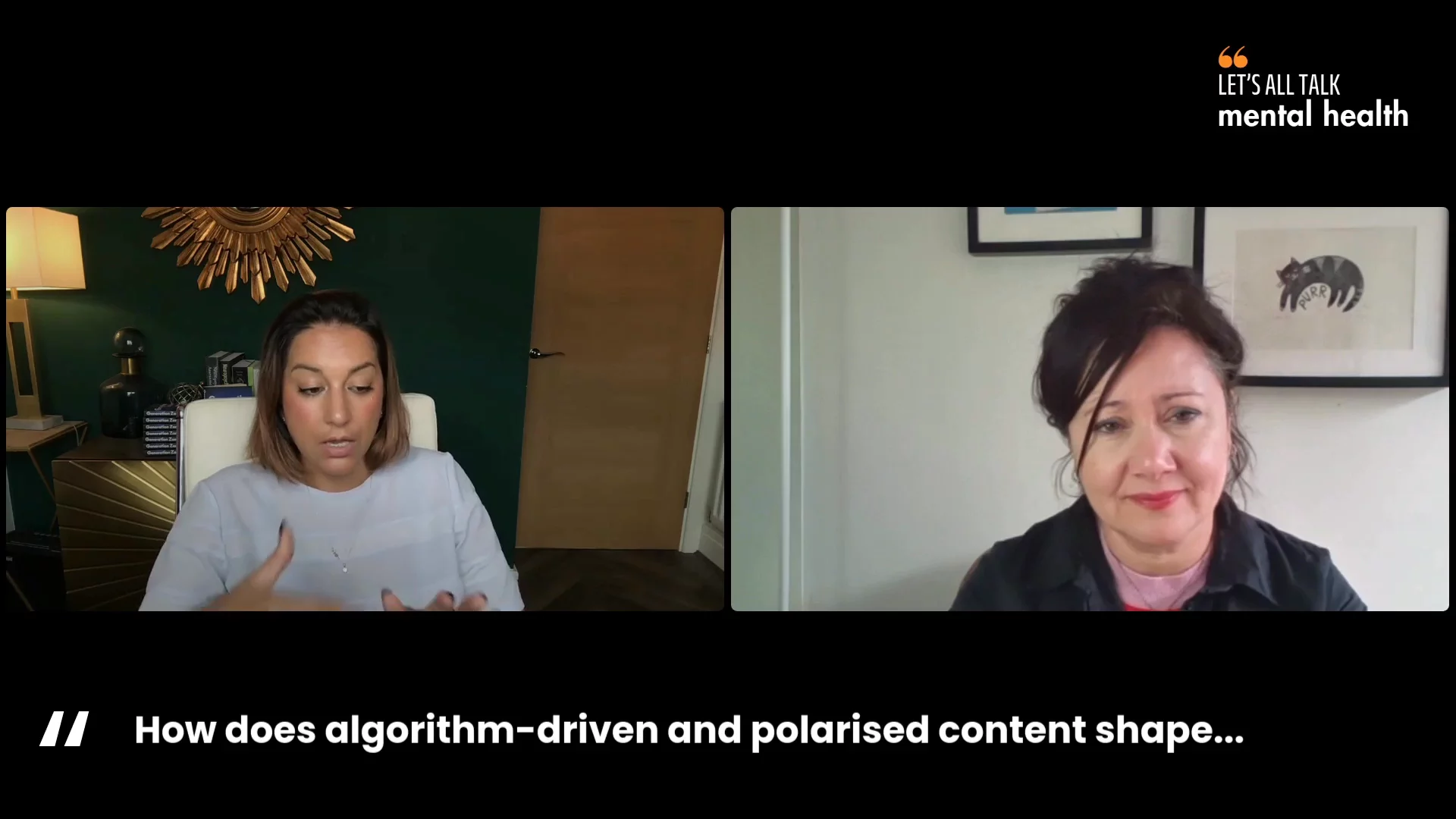
- How algorithm-driven and polarised content is shaping attention, focus and critical thinking, with ideas for tackling this in the classroom.
- The blurred lines between online and offline friendships, relationships and identity, from social media to gaming to AI chatbots.
- Preparing young people for a future where tech and AI may shape education, work and relationships, while reinforcing their sense of possibilities, choice and opportunity.
- How a spiral curriculum can support pupils from Year 7 to Year 13 in navigating online risks and opportunities in a way that stays relevant and age appropriate.
Educators will leave with a clearer understanding of how the digital landscape is affecting their pupils, alongside practical approaches for meeting the new RSE requirements in a way that engages and supports the whole school community.
Speaker

Liz Dawes
Dr
Dr Liz Dawes is the founder of Every Mind Child Psychology and offers neuroaffirming, strength-focused diagnostic assessments and psychological therapy for children and young people. Her work spans autism and ADHD assessments, therapy, EHCP mental health reports, cognitive assessments, training, and supervision, alongside the many other aspects of running a clinic. Liz is also the co-founder of Nurturing Neurotypes, an online platform for parents of neurodivergent children, offering webinars and courses that help parents approach parenting in neuroaffirming ways. Liz takes a strongly child-centred approach, adapting to each child rather than expecting them to adapt to her. She enjoys bringing creativity into her sessions, utilising the child's interests through play, art, animals and movement. Liz is highly flexible in her approach to working with neurodivergent adolescents and follows their lead and supports them in the way they need, in the moment.
Replays
See all

Teaching in the Age of Tech & AI: Supporting Young People’s Digital Lives
49:06